Your insulation does more than you think and can encounter more problems than you may realize. The condition of it impacts your air quality, energy bill, comfort levels, environmental footprint, and more. Handling things alone can lead to a big, expensive mess that risks your health. That's why the U.S. Department of Energy recommends having the material installed rather than trying to put it in yourself.
Because insulation significantly impacts how well your home holds in heat and air conditioning, the return on investment is considerable. That's especially true in the attic, where older homes lose about 70% of their heat. Another 21% goes out through the doors and windows, and 9% through the walls. The EPA estimates that adding insulation to those spaces can save 15% or more on your heating bill. Because the building's heating and air conditioning are better regulated, you'll feel more comfortable inside. That same cushioning protecting the house also keeps outside noise down.
Insulation helps to control two of the three different types of heat flow. Heat moves through the processes of conduction, convection, and radiation. Conduction is the transfer of heat between materials; convection is the circulation of heat between liquids and gases, like when hot air rises above cooler air, and radiant heat moves forward, pushing warmth out towards available solids to absorb its energy. Insulation disrupts convection and radiation by either serving as a barrier to conductive heat or reflecting convective heat.
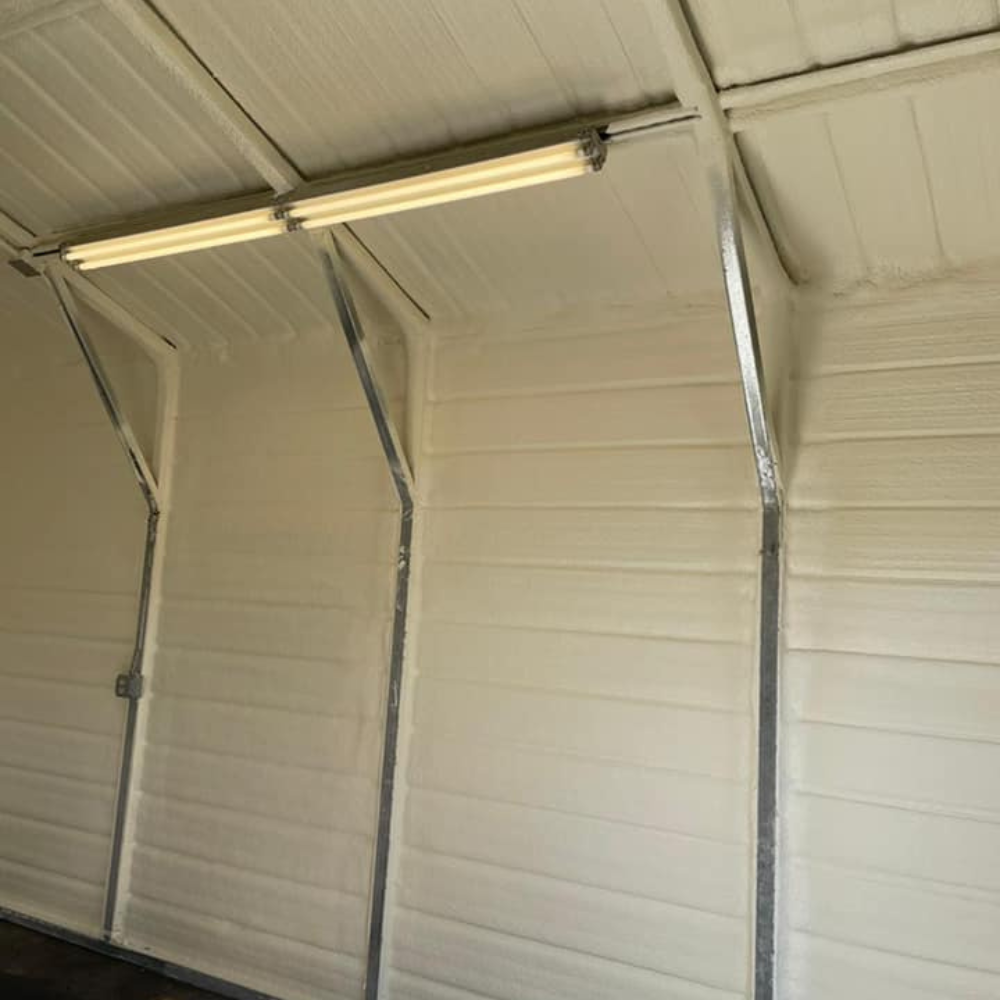
There are many different types of insulation to use, and they are based on the function you're aiming for and the type of space it's being used to insulate. If you're looking to install new material, you should consult with a professional about what option would be the best for you. Spray foam insulation is a quick way to make your home or business energy efficient, and the insulation spreads out to fit the space it's being applied. Once there, it doesn't break down and sticks well to most materials, including drywall and plywood.
In many cases, installation isn't as simple as spraying in a new product; the old material needs to be removed. Animals can infest your walls and attic, chewing away at the insulation to the point that it's no longer effective or contaminating it with dangerous pathogens. If you have a leak, the dripping water can lead to mildew and the more dangerous and aggressive allergen, mold. Since contaminated material can't stay, experts must carefully remove insulation with the proper tools, personal protection equipment, and experience and follow proper disposal guidelines.
If you're considering replacing or upgrading your insulation, go with a company that cares and has the expertise to get the job done right. Energy Management Insulators is a locally-owned company that uses cutting-edge technology and the latest techniques to ensure a quality and lasting installation. We go above and beyond to figure out what caused the issue, what can be done to fix it, and how it can be prevented moving forward.
Contact us today for more information or to schedule an estimate.