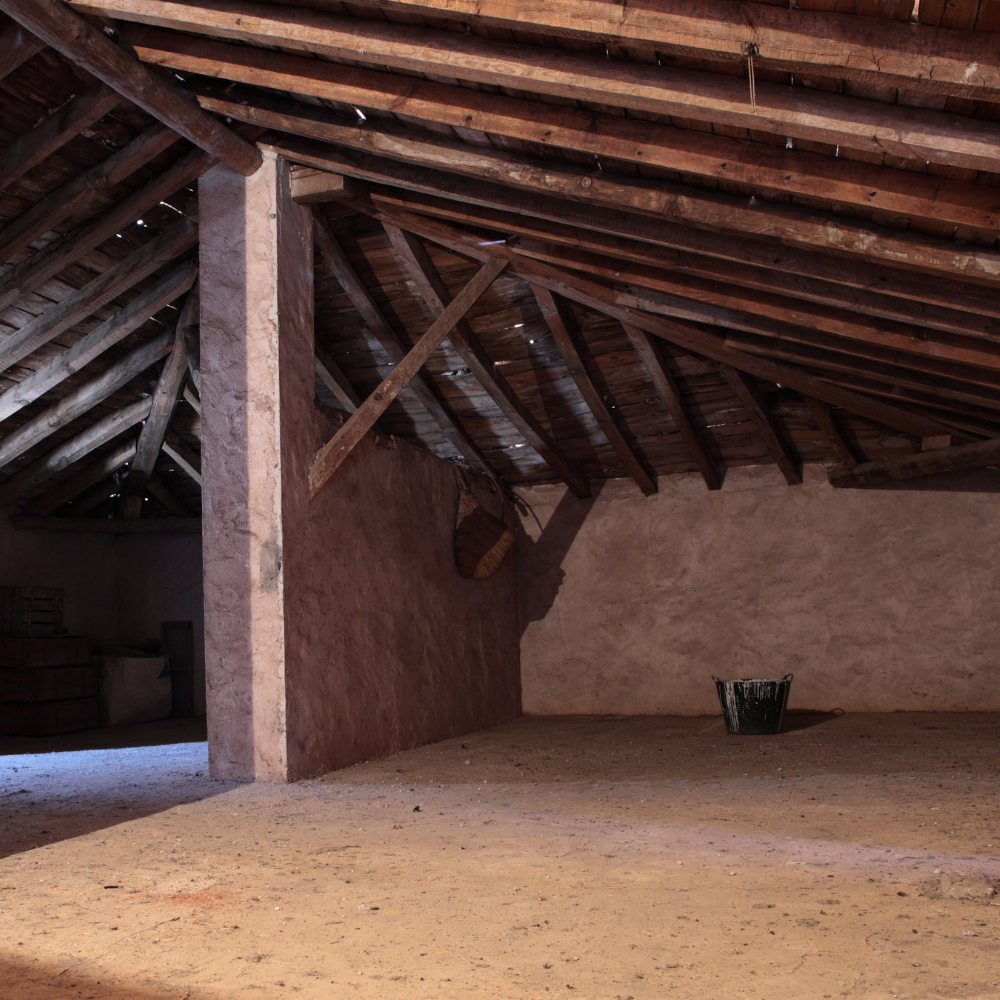
A comfortable home or business means regulating the temperature and for that you need good insulation. That material keeps your home or business warm in the winter and cool during the summer. People associate insulation with the walls, but the insulation in your attic is crucial to the overall system. The EPA says having a well-insulated attic saves property owners 15% on their heating and cooling costs.
On the other hand, if your insulation isn't up to par, your HVAC systems can run more than needed and wear down, leading it to need costly repairs. The insulation in your attic is easy to forget about but is often the one that needs attention first. Animals like rodents, bats, birds, and creepy crawlies are known to tear it up, often for use as a nest. Sometimes they'll dig a cave directly into the insulation to give birth. In either case, that material no longer functions properly, and exposure to those animals' contaminants makes it hazardous to be around. Animals and insects harbor dangerous bacteria that can spread illness and disease and irritate allergies.
Mold and mildew can also develop. Leaking pipes, rainwater, and humidity can dampen the insulation, which is the perfect breeding ground for fungal growth, which agitates allergies and makes people feel sick. Water also compacts the insulation, making it less effective, and if exposed to water for an extended time, it must be removed and replaced.
Fortunately, those are things that can be repaired with the help of an expert. Professionals use specialized equipment and protective gear to remove contaminated and damaged insulation. They also have the know-how to assess whether any insulation can be salvaged.
The restoration process includes a thorough cleaning of the attic as well. That's an extremely important part of the treatment because it removes urine, feces, or other contaminated products or mold growth that could put your family at risk. A disinfectant applied to the space can kill off viruses. The technicians also keep an eye out for pest entry points. Finally, they'll determine what new insulation would be best for your property and how much you'll need. The design and size of the building, along with functionality, are factors when choosing which material can work best.
Some people consider a DIY approach when adding insulation to their home or business, but that can cost more in the long run. If the material isn't applied properly, it doesn't function properly, and you'll still have costly energy bills. The tools you need for application are costly, and exposure to some materials can be dangerous if you aren't an expert. Plus, the federal government can provide a tax credit of 30% on the total project cost until 2032.
At Energy Management Insulators, we understand that your home is your sanctuary. In your business, the temperature affects consumer spending habits. Our locally-owned company is licensed and insured. Our experts can tailor a plan specifically for your property.
Contact us today for more information or to request an estimate.